
Eid al-Fitr is a time for celebration and fun with family, friends, and the entire community. It’s great fun to learn about different cultures and customs, so some might pose the question, How is Eid al-Fitr celebrated?
Eid al-Fitr is a religious celebration for Muslims and is one of the biggest celebrations of the Islamic calendar, and within this blog, we will find out more about the following:
- What is Eid al-Fitr?
- How is Eid al-Fitr Celebrated?
- The Importance of Teaching Diversity
1. What is Eid al-Fitr?
Eid al-Fitr is a Muslim celebration that when translated from Arabic means “the festival of the breaking of the fast“. The name relates to the end of a proceeding celebration called Ramadan which is the holy month of fasting where the Muslim community are obliged to fast from dusk till dawn.
As a celebration for their restraint during Ramadan, the Eid al-Fitr festivities last for two to three days where families, friends, and neighbours all come together to celebrate.
It’s also worth noting that there are two different Eid festivals in the Islamic calendar, which are Eid al-Fitr and Eid al-Adha. Eid al-Adha follows the end of the annual pilgrimage season to commemorate Prophet Ibrahim’s dedication to Allah. Eid- al-Adha is known as greater Eid while Eid al-Fitr is known as lesser Eid as the Eid al-Adha celebrations last longer.
Now that we know what Eid al-Fitr is and some context behind why it is celebrated, the next question is, How is Eid al-Fitr celebrated, both in the UK and across the world.
2. How is Eid al-Fitr Celebrated?
Depending on where you live will affect how the surrounding Muslim community and neighbours will celebrate Eid al-Fitr as there are a variety of customs that can be followed and adopted.
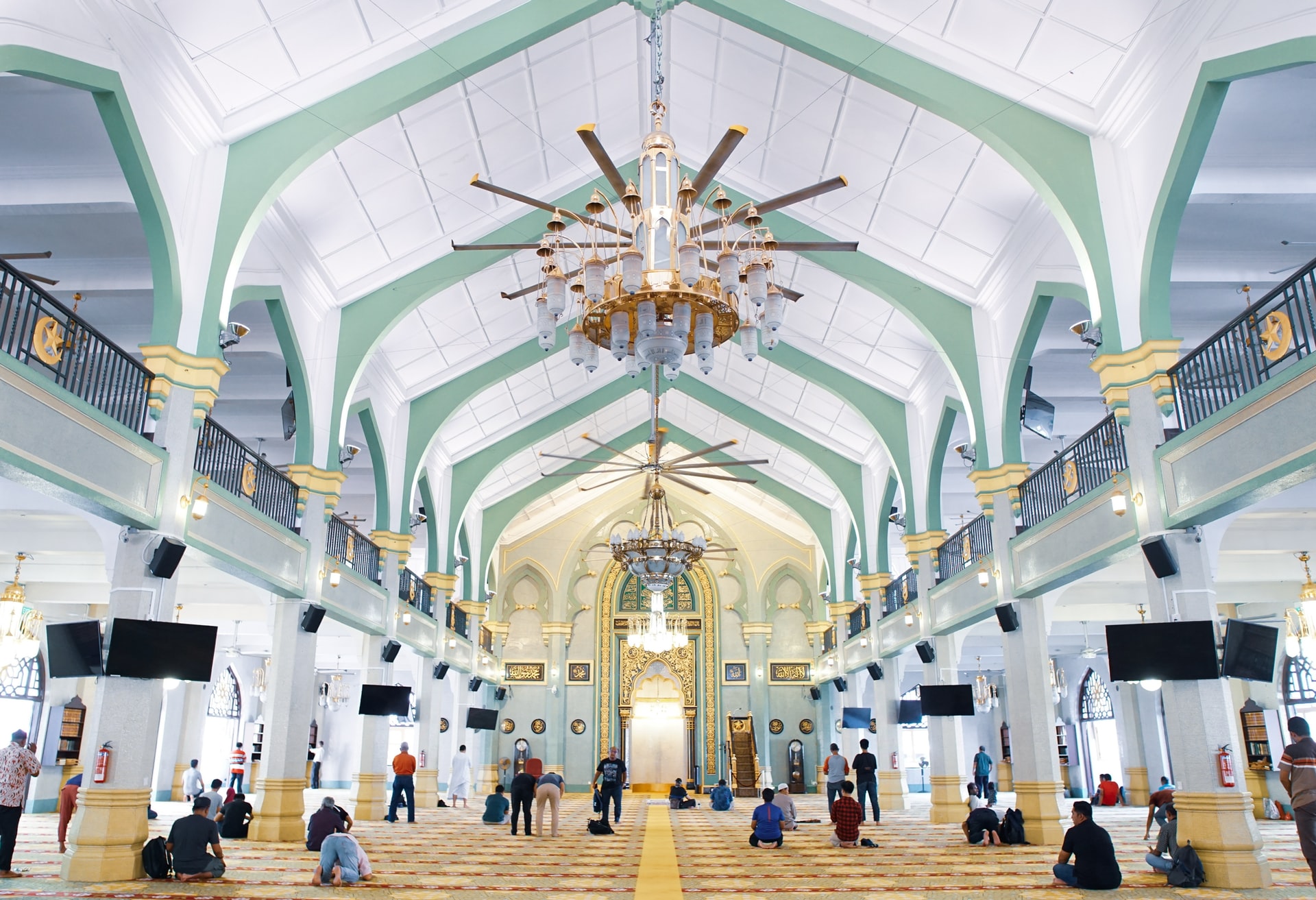
Part of the more formal ceremonial celebration of Eid al-Fitr consists of Muslims attending Eid prayers at their local mosque early in the morning. As part of the tradition, new clothes are expected to be worn, and before entering the mosque eat something sweet and recite a short prayer called takbeer. Before the Eid prayers begin, it is also expected to make a donation to charity to help feed the poor.

In many countries, Eid al-Fitr is considered a public holiday, so many Muslims get to celebrate the festivities with friends, family, and neighbours alike. It is also common practice for children to be given gifts or money from older family members during this time. And the greeting “Eid Mubarak,” which means “blessed Eid”, can be used by anyone to wish those celebrating Eid al-Fitr a happy Eid.
This is how Eid al-Fitr is celebrated in the more formal setting, but Eid al-Fitr is well-known for its delicious food and large meals which come as a treat after finishing the fasting season during Ramadan and is considered a spiritual celebration of Allah’s provision of strength and endurance. Lots of different sweet foods will be made and prepared as part of the celebration, and the type of sweet treat will depend on the region you are from. For example, in Turkey baklavas are typically eaten, whereas in Iraq and Saudi Arabia dates and Kleichas are very popular, and in Yemen bint al sahn is prepared.
Other traditions include decorating your home with either lanterns, string lights, or flowers; the twinkling lights and bright colours make for a breath-taking scene. Another tradition that is part of Eid al-Fitr is that everyone hugs each other, whether that is a hug between friends or family members, or between strangers in the streets it shows your goodwill and kindness towards others during a time of celebration and togetherness.

So, How is Eid al-Fitr celebrated? As we can see, Eid al-Fitr is celebrated as a community and is a time to be with one another in a reflective, thoughtful, and also happy and joyous environment, much like any other religious celebration or festivities, we might experience in the UK. Learning about new cultures, religions, and customs is fun and interesting, and it is important to remember to be open-minded and understanding while learning about other people’s beliefs. Therefore, teaching diversity and exploring topics such as ‘How is Eid al-Fitr celebrated?’, is important to us at Kings Monkton.
3. The Importance of Teaching Diversity
At Kings Monkton, we believe you are never too young or too old to learn about new or different cultures to your own. Principal, Paul Norton, explains that:
“The importance of educating children in diversity within schools cannot be underestimated. It increases creativity, encourages open-mindedness, and provides a wealth of opportunities.”
Wales is a multicultural country, and our pupils and staff are lucky to be exposed to a wide variety of people, cultures and customs as a result. Kings Monkton accepts pupils and teachers from all areas of the world, from as local as Llandaff and Merthyr Tydfil to as far as Africa, India, and beyond. Therefore, diversity is an important aspect of our curriculum and permeates all levels of school life at Kings Monkton. This approach is essential to help our pupils understand the importance of diversity, rather than it being just a topic for Personal, Social Education (PSE) class. We ensure that our pupils are taught about the different cultures and religions across the world so everyone that attendsand visits Kings Monkton can feel understood and accepted without fear of judgment. Diversity is what makes us who we are and this includes many different factors: race, ethnicity, gender, sexual orientation, socio-economic status, ability, age, religious belief, or political conviction. As such, it cannot be seen in isolation, but must constitute what we know as our ‘safeguarding culture’ at Kings Monkton School.

Teaching our pupils about different cultures and customs ensures they have a well-rounded and non-biased view of the world and other people that might be different from themselves. Our curriculum covers a wide range of topics that are handled with sensitivity to ensure the promotion of respect, tolerance, and diversity. Our pupils are encouraged to share their views and recognise that they are entitled to have their own different beliefs which should not be used to influence others. We always strive to create an environment of equality within our classrooms and school; no one deserves to be judged, ridiculed or bullied for their faith, appearance, or beliefs, so Kings Monkton always teaches our pupils to treat everyone and everything with respect.
We have found that an inclusive classroom is a happy, high-achieving classroom, as understanding one another and feeling included allows for better learning and therefore better results. However, happiness and positive wellbeing are just as high a priority as good grades. Our pupils are always welcome to come and seek help from any of our teachers and wellbeing staff – we are a close-knit family, so we always want to support the wellbeing of our pupils during times of both stress and happiness, so our pupils can feel understood and appreciated.
Want to find out more about our school, the different school years, our admissions and more? Please contact us on 02920 482 854. Remember, always be the best you can be.

